

GE Vernova provides operational power in Vietnam.
At the forum “Improving and Perfecting Regulations for Gas Power and Energy Storage Development (2026-2030)” held on April 22, discussions focused on the challenges facing Vietnam’s evolving power system as the country accelerates industrial growth and expands renewable energy development.
With wind and solar power taking a larger share in the energy mix, Vietnam’s power system is experiencing increasing operational pressure, including reduced grid inertia and rising demand fluctuations. Industry experts noted that the key challenge is no longer simply expanding generation capacity, but ensuring the grid can operate flexibly and reliably in a changing energy landscape.
Speaking at the event, Shanshan Liang, Product Champion for Aeroderivative Gas Turbines at GE Vernova, emphasized the role of flexible gas power technologies in supporting grid stability and renewable integration.
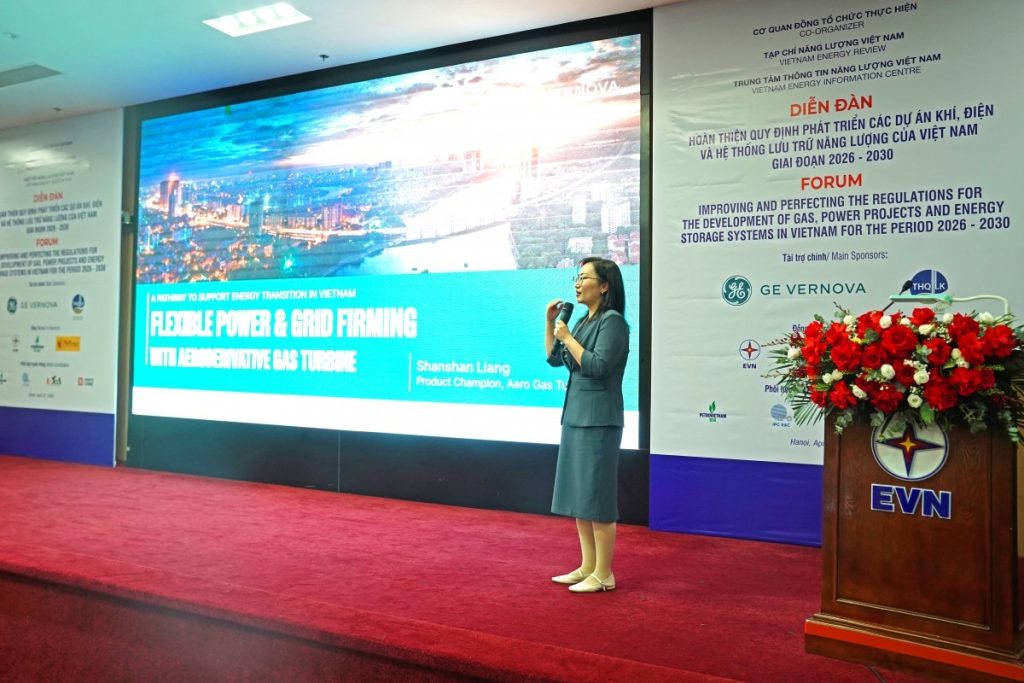
Ms. Shanshan Liang, Aviation Gas Turbine Technology Specialist at GE Vernova
According to Liang, aeroderivative gas turbines are designed to respond quickly to fluctuations in electricity demand and renewable output. Derived from aviation technology, these turbines can reach full capacity within minutes and rapidly adjust output when renewable generation drops or demand rises unexpectedly. Their ability to operate efficiently under varying load conditions and handle frequent start-stop cycles with minimal maintenance impact makes them well suited for power systems with high renewable penetration.
Liang noted that such technologies play a critical role in balancing intermittent renewable sources while maintaining grid reliability. In addition to electricity generation, aeroderivative gas turbines can provide grid-supporting functions such as frequency control, voltage regulation, reserve capacity, inertia, and system resilience. The turbines are also capable of operating in synchronous condensing mode, helping stabilize the grid during fluctuating operating conditions.
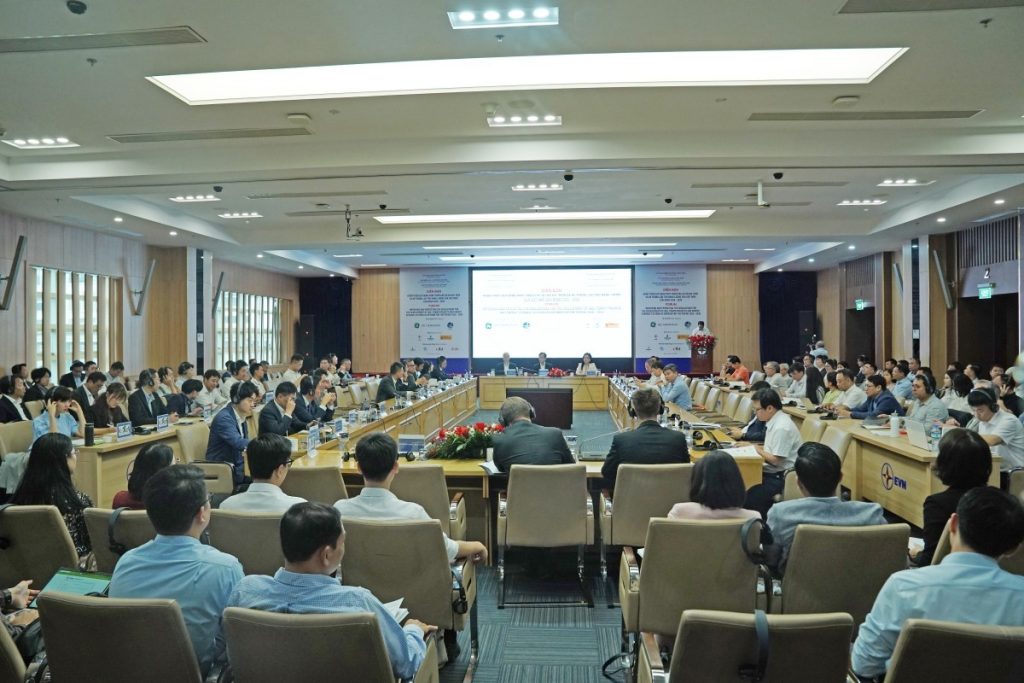
Overview of the Forum “Improving and Refining Regulations on Gas Power Development and Energy Storage (2026-2030)”
GE Vernova highlighted several international examples where flexible gas power has supported renewable energy integration. In the United States, the Tennessee Valley Authority operates 10 LM6000VELOX units capable of delivering 550 MW of fast-response power to stabilize the grid during peak demand and periods of low solar output.
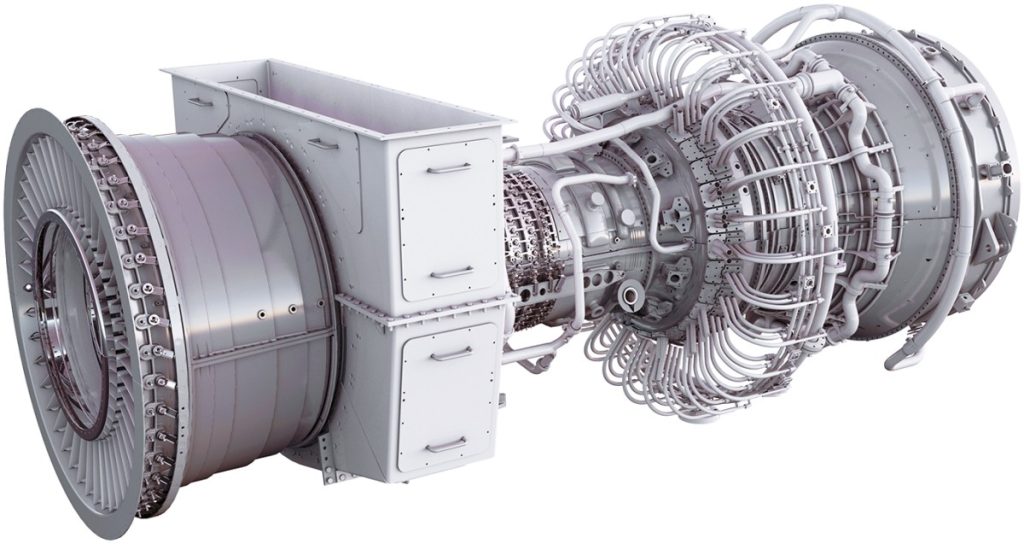
LM6000 series gas turbine
In South Australia, following a major blackout in 2016, GE Vernova deployed nine TM2500 mobile gas turbines within 50 days to strengthen grid reliability in a system heavily dependent on renewable energy. The project restored electricity security for approximately 850,000 customers.
Ireland’s Tarbert project was also cited as an example of how quick-start gas turbine technology can support renewable-heavy power systems. The project uses three LM6000PC Sprint gas turbines to provide 150 MW of instant reserve capacity, helping offset fluctuations from wind power generation.
According to GE Vernova, Vietnam’s renewable energy expansion will require reliable “firming” technologies capable of maintaining system stability while supporting long-term decarbonization goals. Aeroderivative gas turbines offer high reliability and availability, enabling rapid dispatchable power to compensate for variability in renewable generation.
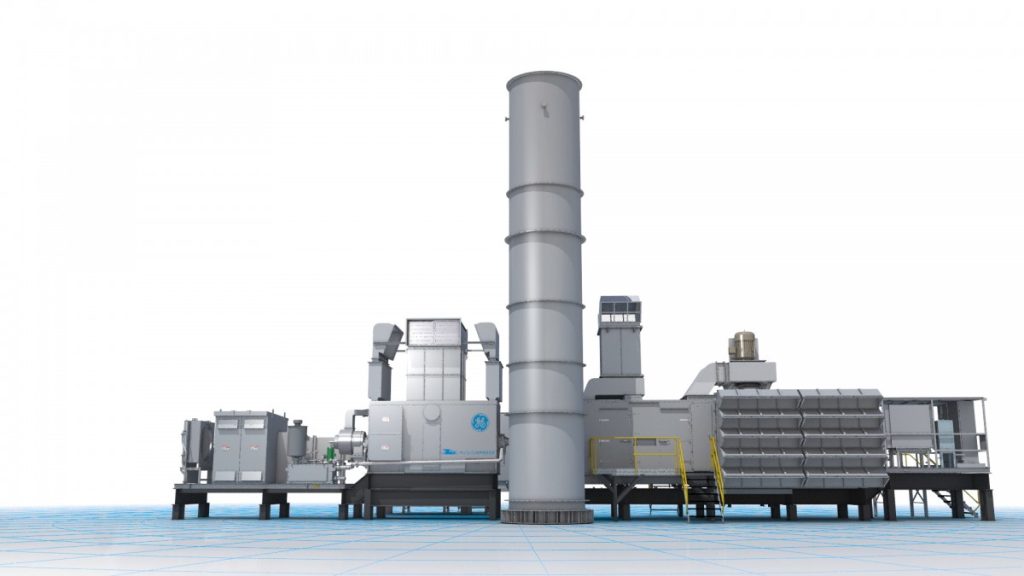
GE’s advanced, improved gas turbine, the LM2500XPRESS.
The company also highlighted the operational flexibility of mobile, trailer-mounted turbine systems, which can be deployed rapidly where additional power support is needed.
At the forum, Liang stated that Vietnam remains one of GE Vernova’s strategic markets globally. She noted that the company’s aeroderivative gas turbine technology can move from cold start to full load within minutes, providing critical peak power support when renewable output fluctuates.
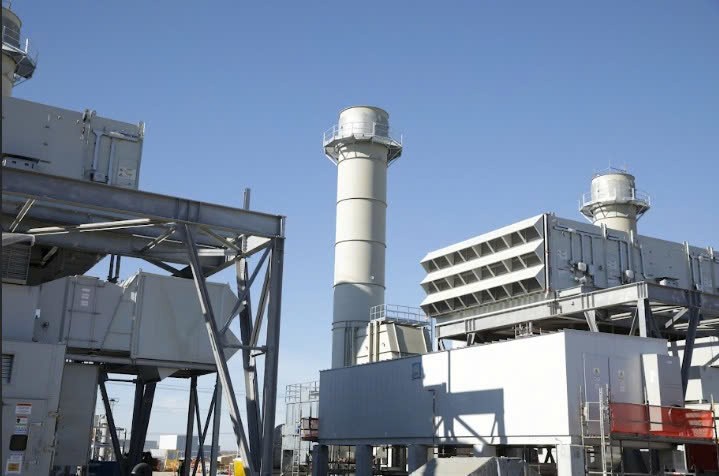
GE Vernova’s AERO-GT aerodynamic turbines play a vital role for the Tennessee Valley Authority (TVA) in the United States.
GE Vernova reaffirmed its commitment to working with Vietnamese authorities and energy stakeholders to support the country’s energy transition through flexible, reliable, and lower-carbon power solutions.
The company emphasized that achieving a stable and low-carbon power system will require a balanced combination of flexible gas power, renewable energy, and energy storage, supported by suitable regulatory frameworks and market mechanisms.
GE Vernova currently contributes to approximately 30% of Vietnam’s electricity generation and has more than 2.2 GW of installed gas power capacity in the country. The company said it remains committed to supporting Vietnam’s long-term energy transition and decarbonization goals.
Source: Vietnamenergy.vn