

EU Strengthens Cross-Border Energy with €650 Million Investment
Spain leads EU funding for cross-border electricity projects, while Germany advances hydrogen initiatives
Spain is the European Union country receiving the largest share of funding for cross-border electricity infrastructure, while Germany is taking the lead in hydrogen-related projects. Meanwhile, the European Commission is expected to open its next funding call for energy infrastructure proposals between April and June.
On Wednesday, the European Commission allocated €650 million to support 14 electricity and hydrogen projects across borders. The funding is part of the EU’s broader strategy to modernize aging power grids and increase the use of clean energy across the bloc.
Spain will receive €180 million, making it the largest beneficiary. A joint project involving Poland, Estonia, Latvia, and Lithuania will obtain €112 million, while a cross-border initiative between Romania and Bulgaria has been allocated €103 million. According to the Commission, these represent the three largest electricity infrastructure projects supported by the funding, including investments in smart grid systems.
Additional funding will also go to projects in Austria (€1 million), a Greece–Egypt interconnection project (€9 million), and Slovakia (€62 million), all aimed at upgrading electricity networks.
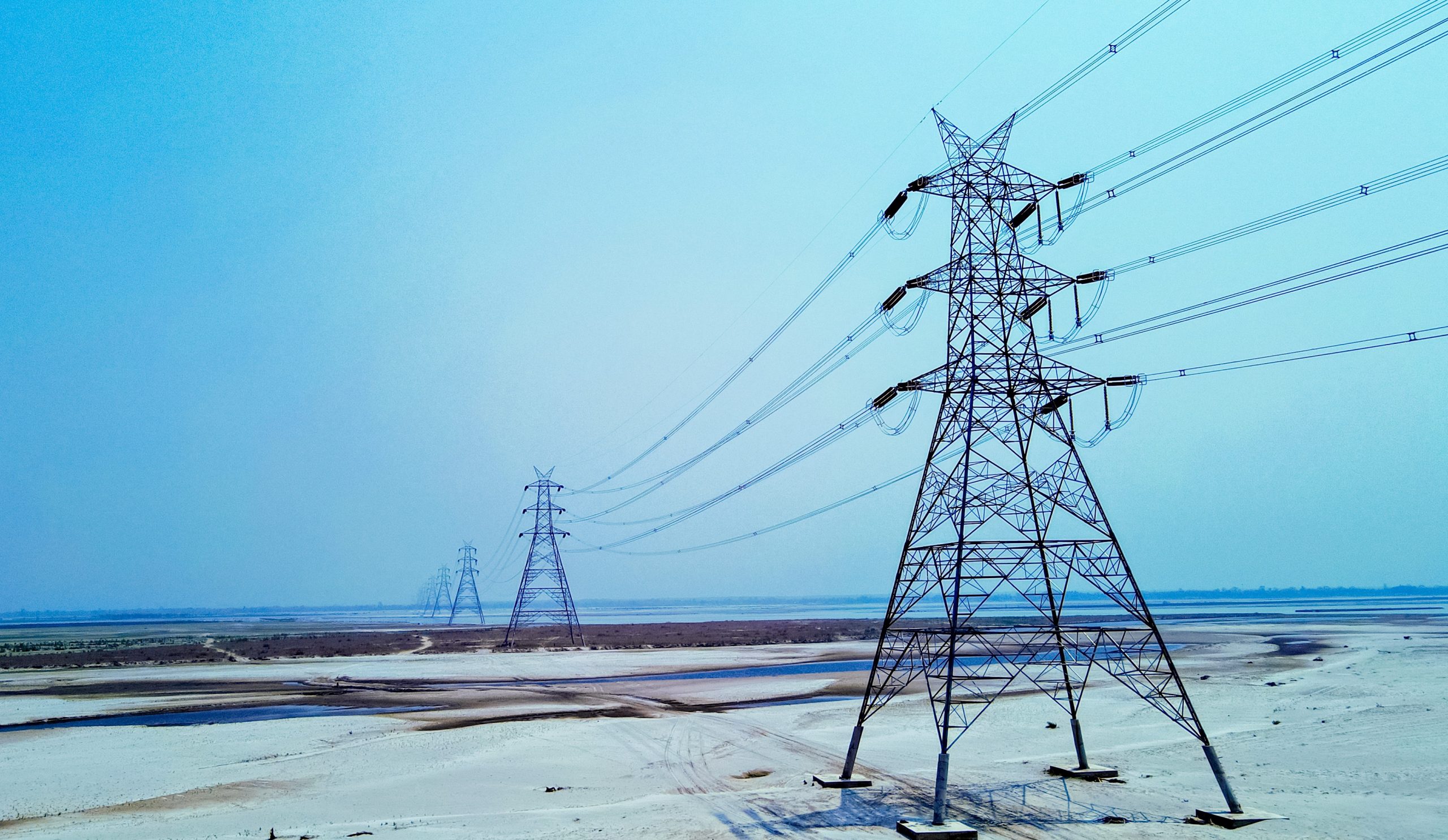
The funding is provided through the Connecting Europe Facility (CEF), which supports projects that strengthen grid infrastructure and expand renewable energy integration, particularly wind and solar power. These investments are aligned with the European Commission’s latest plan to modernize electricity networks and encourage greater cross-border energy cooperation.
Europe’s aging grid systems often lack the capacity, flexibility, and digital management required to efficiently integrate renewable energy sources. As a result, power networks can face congestion and curtailment, meaning that significant amounts of zero-carbon electricity may go unused.
Energy industry experts have warned that without major upgrades, including expanded transmission capacity, smarter grid controls, and additional energy storage, electricity networks could become a bottleneck. In such cases, the growing supply of renewable energy could create operational and economic challenges rather than serving as an effective climate solution.
With EU support, Spain plans to develop the Aguayo hydroelectric power plant, which is expected to deliver between 9 and 10 GW of generation capacity by 2027. The project could produce enough electricity to supply roughly 7.5 to 12 million households.
The cross-border initiative linking Poland and the Baltic states – Estonia, Latvia, and Lithuania – is designed to strengthen regional energy cooperation by integrating their infrastructure more closely. The Commission noted that this effort is particularly significant given the region’s proximity to Russia.
Meanwhile, the Romania–Bulgaria project aims to upgrade electricity infrastructure to meet modern smart-grid standards for both transmission and distribution networks, while also improving interconnections across the region.
European Commissioner for Energy and Housing Dan Jørgensen said the projects will help deliver “clean and affordable energy to consumers” while strengthening Europe’s energy independence.
According to Jørgensen, the initiatives supported by EU funding will enhance the bloc’s competitiveness and energy security, helping Europe move steadily toward greater energy autonomy.
Hydrogen storage and terminals
Germany is currently the largest recipient of EU funding for hydrogen infrastructure. A hydrogen storage project in Gronau-Epe, led by REW, is expected to receive €120.11 million, while the Uniper Green Wilhelmshaven hydrogen terminal project will obtain €10.63 million.
In the Netherlands, the ACE hydrogen terminal located in the Port of Rotterdam will receive €25.62 million. The project is being developed by Dutch gas network operator Gasunie together with energy companies including HES International and Vopak. The facility will be used to import ammonia, store it, and convert it back into hydrogen for industrial applications.
Austria, Bulgaria, France, and Slovakia are also among the countries set to receive EU funding for hydrogen-related infrastructure projects.
In total, at least 100 hydrogen infrastructure proposals were deemed eligible for EU funding in November 2025 under the bloc’s legislation aimed at developing cross-border energy infrastructure.
However, some critics have pointed out that more than 90% of these proposals were submitted by gas transmission system operators. They argue this contradicts the revised 2022 legislation, which was designed to better align energy infrastructure investments with the EU’s climate and energy objectives.
Under the EU’s renewable energy strategy, the 27-member bloc plans to produce 10 million tonnes of hydrogen annually by 2030, while also importing an additional 10 million tonnes.
The European Commission is expected to open its next round of funding proposals for energy infrastructure projects under the Connecting Europe Facility between April and June.