

China launches the world’s largest compressed air energy storage facility
China has officially begun operations at the world’s largest compressed air energy storage (CAES) plant, located in Huai’an City in Jiangsu Province. The milestone marks a major step forward in the country’s efforts to expand its energy storage capabilities and accelerate its transition toward a greener economy.
According to Harbin Electric Corporation, the compressed air storage and power generation project built within underground salt caverns has now been fully completed. The second generating unit has successfully connected to the grid and is running at full capacity, while the first unit has been operational since last year.
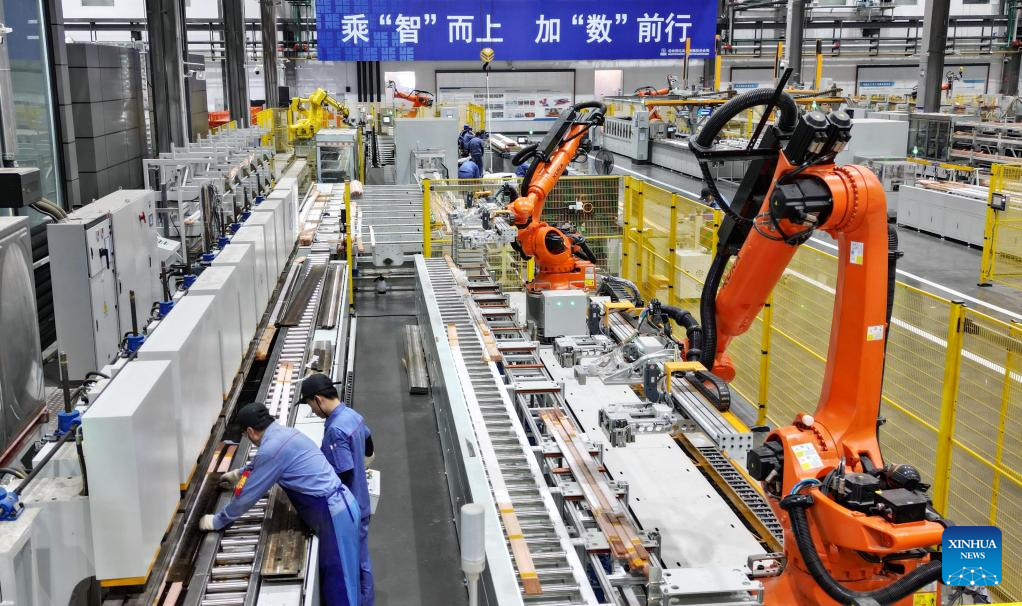
The facility consists of two 300-MW generating units that use non-supplementary combustion technology. Together, they provide a total storage capacity of 2,400 MWh and achieve an energy conversion efficiency of approximately 71%. Once fully operational, the plant is expected to supply enough electricity annually to meet the needs of around 600,000 households.
The system works by using natural or man-made salt caverns underground as a massive “battery.” During periods of low electricity demand, excess power is used to compress air and store it in the caverns. When demand rises, the compressed air is released to drive turbines, generating electricity that is fed back into the grid.
The launch of the plant comes as China’s energy storage sector is rapidly expanding to support the fast growth of renewable sources such as wind and solar power. Experts view compressed air energy storage as one of the most cost-effective solutions for long-duration energy storage currently available.
To further advance its energy transition, the Chinese government has set a goal of increasing the total installed capacity of new energy storage systems to more than 180 GW by the end of 2027. This target is expected to encourage the simultaneous development of multiple technologies, ranging from advanced lithium-ion batteries to alternatives like compressed air storage and pumped-storage hydropower.